
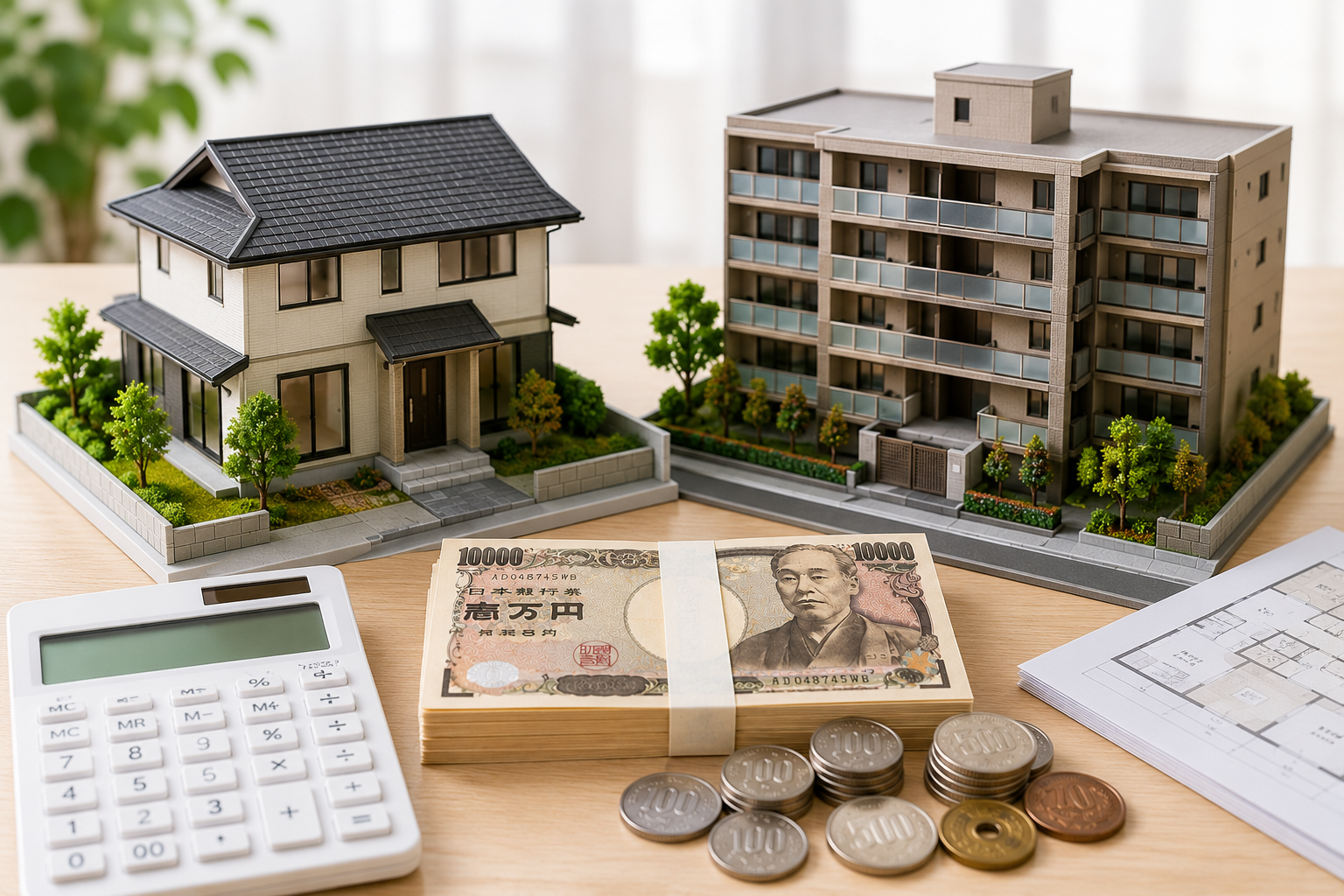
CONDO OR DETACHED HOUSE? A Detailed Comparison Before Buying Property in Japan
Should You Buy a Mansion (Condo) or a Kodate (Detached House) in Japan?
This is a question almost everyone asks when they start researching home buying in Japan: should you choose a Mansion (マンション - condo) or a Kodate (一戸建て - detached house)?
Many people believe that condos hold their value better than detached houses, but in reality this isn't always true. Value retention depends heavily on location, surrounding infrastructure, and many other factors. If both are in the same good area, Mansion and Kodate each have their own advantages and disadvantages — neither is universally superior to the other.
In this article, ESTATE PLUS will walk you through a detailed analysis of the three most important factors: management costs, appreciation potential, and privacy — so you can get a comprehensive overview and make the choice that best fits your home-ownership goals.
1. Management Costs
1.1. Mansion: Management costs continue throughout the entire period of ownership
When you own a Mansion, you need to pay a monthly management fee (管理費) and a repair reserve fund (修繕積立金), typically ranging from about 10,000~40,000 yen/month.
An important point to note: this is a cost that continues for as long as you own the unit — it is not a one-time expense. In other words, even after you've fully paid off your bank loan, you'll still need to keep paying the monthly management fee until you no longer own the property.
Additionally, if you own a car and need to rent a parking space within the condo complex, you'll need to pay an extra parking fee, usually around 15,000~30,000 yen/month.
1.2. Kodate: No monthly management fee, but maintenance requires self-initiative
With a Kodate, you won't have to pay a monthly management fee like with a Mansion. However, this doesn't mean there are no costs at all — homeowners need to independently set aside maintenance funds as needed, typically at the 5-year, 10-year, and 15-year milestones.
This reflects an important difference in ownership mindset: with a Kodate, maintenance costs aren't fixed on a monthly basis but depend on how proactive the homeowner is. The better and more timely your maintenance, the better the resale liquidity of the house will be in the future.
2. Appreciation Potential
2.1. Mansion: Easier to retain value in a good location
Condos tend to hold their value better if the unit is located near a train station, close to the city center, and in an area with high demand for renting or buying. Convenient access for commuting is always the biggest factor determining a condo's value retention.
2.2. Kodate: Building value decreases over time, but land value may increase
With a Kodate, the value of the building structure itself typically decreases over time due to physical wear and tear. However, the value of the land the house sits on may increase if it's in a desirable location, especially in areas undergoing infrastructure development.
Over the long term, land is generally considered a more durable asset than the building structure, since land doesn't depreciate over time the way a building does.
3. Privacy
3.1. Mansion: Convenient, but more bound by shared regulations
Living in a Mansion means you'll have neighbors right next to you, above you, and below you. This means your household is more likely to receive complaints from neighbors about noise — such as children playing, karaoke singing, or parties.
Mansions also come with other restrictions worth noting:
• You must comply with the management association's rules
• Restrictions on renovations or interior modifications (especially changes related to shared structural elements)
• Many condo buildings don't allow dogs, cats, or other pets
3.2. Kodate: More private and flexible living space
In contrast, a Kodate offers a much more private living space. You can freely renovate and modify the house as you wish without needing approval from a management association, and you're also less affected by surrounding neighbors.
Overview Comparison Table: Mansion vs. Kodate
Criteria | Mansion (Condo) | Kodate (Detached House) |
Monthly management fee | Yes - 10,000~40,000 yen/month + parking fee 15,000~30,000 yen/month (if applicable), ongoing for as long as you own the unit | No fixed monthly fee, but you must independently set aside maintenance funds on a 5/10/15-year cycle |
Value retention | Good if near a train station, city center, or high-demand area | Building value decreases over time, but land value may increase if well located |
Privacy | More limited: noise issues with neighbors, subject to management association rules, often no pets allowed | Higher: freedom to renovate, less affected by neighbors |
Best suited for | Those who prioritize convenience and don't want to handle maintenance themselves | Those who want long-term cost savings, land ownership, and private living space |
4. Advice: So Should You Choose a Mansion or a Kodate?
There's no single right answer for everyone, because the best choice depends on each individual's lifestyle goals and financial objectives:
• If you prioritize convenience and don't want to handle maintenance and repairs yourself, a Mansion is the more suitable choice.
• If you want long-term cost savings, to own land as a durable asset, and to have a private living space you can freely renovate, a Kodate is worth serious consideration.
Conclusion: Don't Just Look at the Sale Price
When buying a house in Japan, don't compare Mansion and Kodate based on the initial sale price alone. Compare the total cost of ownership over 20~30 years — including management fees, maintenance costs, value retention, and how well it fits your lifestyle. This is what truly determines whether your real estate investment will be effective in the long run.
Each type of housing has its own strengths and weaknesses, and the right choice should always be considered based on your specific location, budget, and long-term life plans.
👉 If you're weighing Mansion versus Kodate for a specific location, contact ESTATE PLUS to have our consulting team provide a detailed analysis of the total long-term cost of ownership, helping you make the most accurate decision for your finances.
Note: The comparative information in this article is general and for reference purposes, based on common characteristics of the Japanese real estate market. Actual management fees, maintenance costs, and appreciation potential may vary depending on the specific building, area, and timing. For accurate advice tailored to your specific situation, please contact an ESTATE PLUS consultant directly.
Related Posts
View all in this category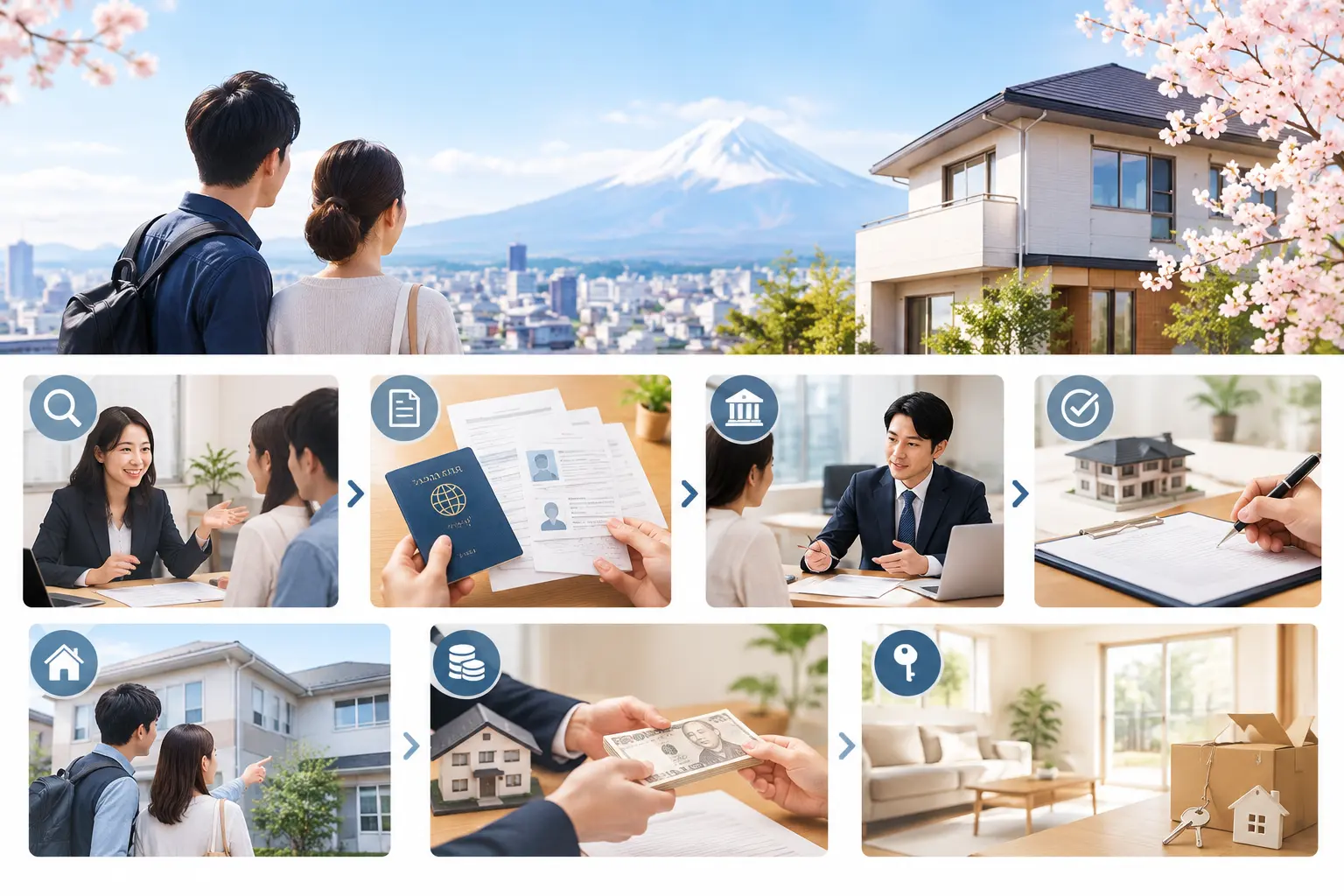
Step-by-Step Guide to Buying a House in Japan for Foreign Residents
Are you living and working in Japan, dreaming of owning your own home? The process of buying propert...
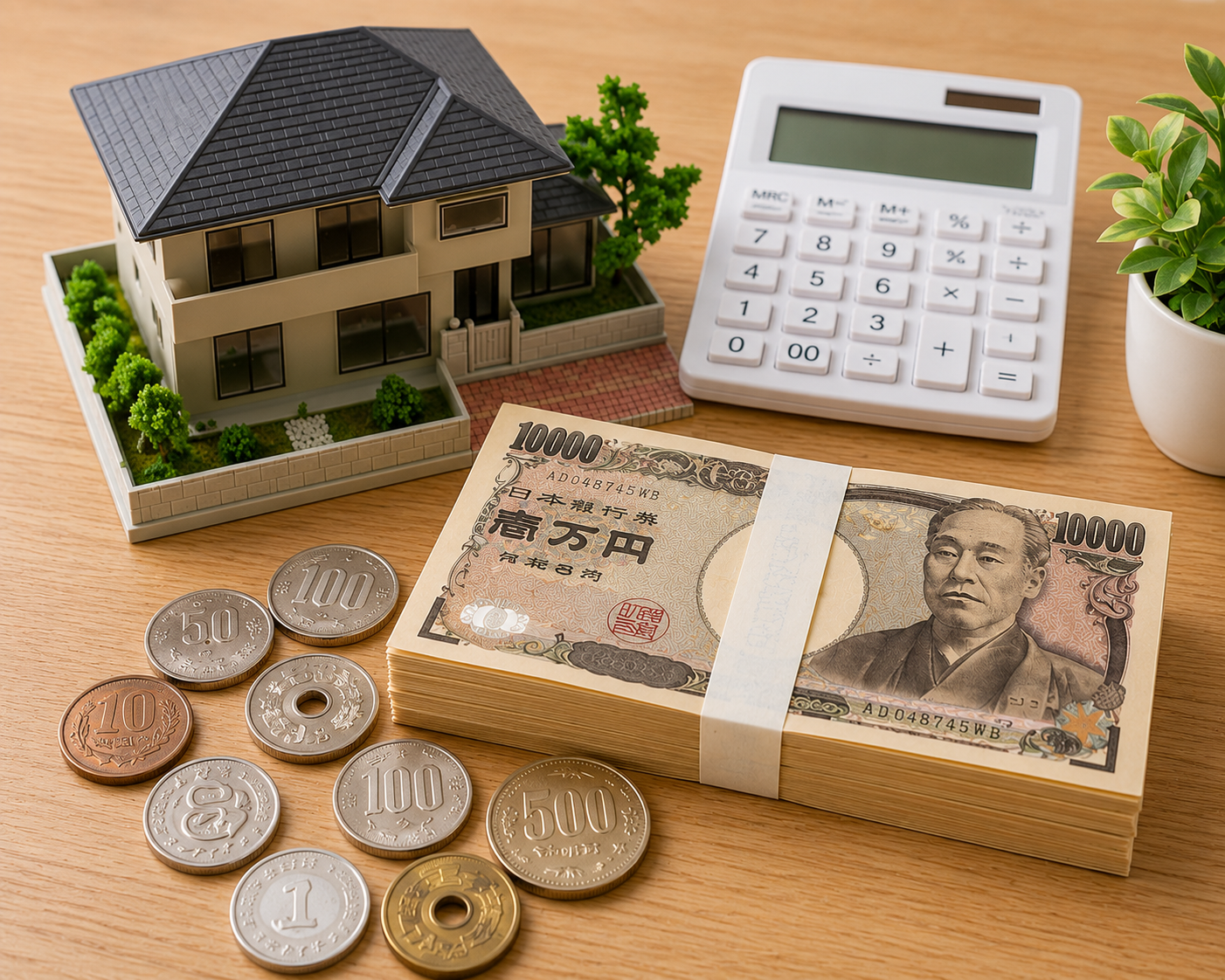
Cost of Buying a House in Japan: Besides rent, what other expenses do you need to prepare?
Buying a house in Japan, in addition to the rent, you need to prepare an additional 6-10% of the hou...

Tokyo, Osaka, Nagoya, Fukuoka Housing Prices in 2026: How Much Longer Will They Keep Rising?
Updated 2026 property prices in Japan's four major cities: Tokyo, Osaka, Nagoya, and Fukuoka. An ana...