
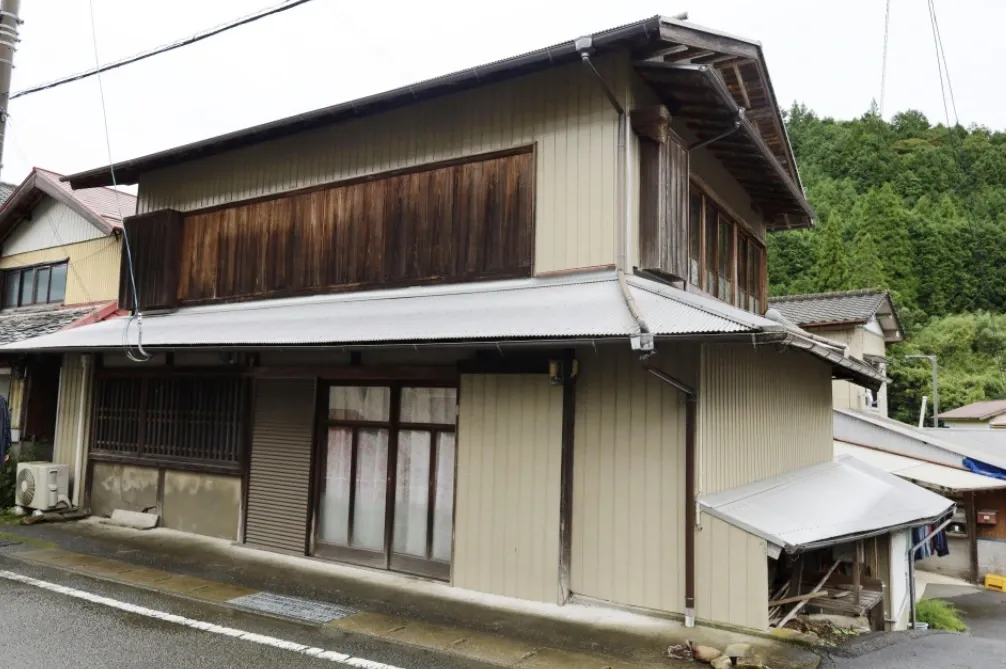
Free (0-Yen) Akiya Homes in Japan: The Truth and the Cost Traps You Need to Know
0-Yen Akiya Homes in Japan: The Bare Truth and the “Cost Traps” That Will Shatter Your Dream
Owning a home in Japan for the price of a single meal - or even getting one “given away” for 0 yen - sounds like a joke, but it's a story that has been all over international media in recent years. Against the backdrop of skyrocketing property prices in major hubs like Tokyo and Osaka, the “buy a house in Japan for 0 yen” craze has become a lifeline for many Vietnamese people looking to save money, or for small-scale investors dreaming of renovating a property into a homestay for cash flow.
However, there's no such thing as a free lunch in this world, and the 0-yen Akiya house is the most expensive “free” thing you've ever seen. This article will break down the full truth and the risks of buying an old home in Japan, so you don't end up losing money for nothing.
1. Why Do These Abandoned 0-Yen Homes Exist in Japan?
To avoid falling into the trap, you first need to understand the origin of Japan's abandoned homes (Akiya - 空き家). Japan is facing a serious aging population and demographic decline. When the older generation passes away, their children have usually already moved to major cities to build their careers and settle down.
They have no desire to move back to their hometown to live, yet they're saddled with a massive financial burden from the inherited home. So their optimal solution is to list it for next to nothing - or even give it away for 0 yen to anyone willing to take over the title - just to “shed the burden.”
2. The “Hidden Cost Traps” That Turn a 0-Yen Home Into an Expensive Liability
Many people mistakenly believe that buying a 0-yen home just means packing your bags and moving in, or doing a bit of light touch-up painting. In reality, the amount you end up spending after signing the transfer contract can equal, or even exceed, the cost of buying a brand-new home.
2.1. Sky-high renovation costs
A defining feature of 0-yen Akiya homes is that they've been abandoned for years, sometimes even decades. The plumbing is rusted, the flooring is rotted from termite damage, the roof leaks, and - critically - the earthquake-resistant structure typically doesn't meet current standards.
In Japan, labor and construction material costs are extremely high. Renovating a dilapidated abandoned home to a safe, livable standard - or to a standard suitable for a homestay - often costs anywhere from several million to tens of millions of yen. There have been plenty of cases of buyers left in tears after discovering their renovation costs were double the price of buying a brand-new plot of land.
2.2. Demolition costs (Kaitai) and the fixed asset tax problem
If a house is too far gone to save, the only option is to demolish it and use the now-vacant land. Demolishing a wooden house in Japan typically costs 1 million yen or more, depending on the size and terrain of the property.
⚠️ Important warning about land tax: In Japan, the government offers a land tax reduction of up to 83% (bringing the tax down to just 1/6) if there is a residential structure on the land - even if it's abandoned. If you hastily demolish the old house without an immediate plan to rebuild, the land will be reclassified as vacant land, and your fixed asset tax will automatically jump to 6 times its previous amount the following year. |
2.3. Taxes and transfer fees involved in the transaction
Even though the purchase price is 0 yen, you'll still need to pay legal fees to the government calculated based on the property's assessed value (not the 0-yen transaction price):
• Registration tax for the certificate of ownership (Touki fee)
• Real estate acquisition tax
• Service fees for a lawyer to handle the title transfer procedures
3. Legal Risks From Japan's Latest Land Registration Law
If you're thinking “I'll just buy it and fix it up whenever I have the money,” you'd be mistaken. Japanese law regarding abandoned properties is becoming increasingly strict in an effort to thoroughly address the Akiya problem.
Many people assume that buying a 0-yen home means the title transfer process will be quick and simple. In reality, the biggest legal obstacle with Akiya homes lies in the ownership status of the seller (the previous owner).
📌 An important legal change: In Japan, starting April 1, 2024, the revised Real Estate Registration Act (不動産登記法) began strictly enforcing a requirement that heirs must complete inheritance registration (相続登記) within 3 years of acquiring inheritance rights. This means that millions of abandoned homes from before 2024 are now effectively “ownerless” on paper. |
When you try to buy one of these 0-yen homes, you'll likely run into the following complications:
• Unable to locate the rightful owner to sign the contract: The home may be subject to inheritance claims from 3~4 children or grandchildren scattered across Japan. To complete the purchase, you'll need consent signatures from all of these individuals. Locating and persuading them to complete the inheritance registration process is extremely time-consuming and costly in legal fees.
• Inflated Touki (title transfer registration) costs: If the previous owner never completed the inheritance registration, you'll bear an additional service fee for a lawyer to untangle this paperwork before the title can officially be transferred to you.
On top of that, if your Akiya home is classified by the local government as a “dangerous abandoned property” (due to risk of collapse, environmental contamination, or being an eyesore), you'll lose all tax incentive benefits and be forced to handle the situation entirely at your own expense.
Summary Table: “Cost Traps” to Keep in Mind
Type of Risk/Cost | Level of Impact |
Renovation/repair costs | Several million to tens of millions of yen |
Demolition costs (Kaitai) | 1 million yen or more |
Fixed asset tax if demolished without immediate rebuilding | Increases up to 6x the following year |
Transfer taxes and fees (Touki, etc.) | Calculated based on the assessed value, not the 0-yen sale price |
Risk of the previous owner not having registered inheritance | Requires consent signatures from multiple heirs, costly and time-consuming legally |
4. Advice: Should You Buy a Cheap Akiya Home?
The answer is YES, BUT only if you truly understand the law and prepare thoroughly. To turn an Akiya home into a profitable investment or an affordable place to live, keep these principles in mind:
• Location is everything: Avoid homes in remote areas with poor access to public transportation. Choose Akiya homes in the suburbs of major cities, or in areas with tourism potential if you're planning a homestay.
• Inspect the structural condition carefully before paying: Never buy a home based on photos alone. Hire a professional home inspector to visit in person, measure, and assess the level of deterioration to accurately estimate renovation costs.
• Carefully check the previous owner's tax debts: Make sure the property isn't subject to a dispute or under seizure due to the previous owner's unpaid taxes.
Conclusion: Don't Let the “Cheap Price” Label Blind You
A 0-yen Akiya home in Japan isn't an easy slice of cake - it's a complex financial puzzle that requires buyers to keep a level head and have a deep understanding of local law. Don't let the “cheap price” label blind you into bringing home a liability that breeds debt.
Have you found a cheap old home in Japan that you're eyeing, but you're worried about legal risks and hidden costs? Not sure how to check the home's history and accurately calculate renovation costs?
👉 Contact ESTATE PLUS right away - our team of real estate experts with deep knowledge of Japanese law will help you appraise the documentation, inspect the property on-site, and guide you through every step of the process as safely as possible!
This article is for informational purposes only, compiled based on common laws and practices in the Japanese real estate market. Actual costs (renovation, demolition, taxes, legal fees) may vary depending on the specific property, area, and timing. Please consult a legal expert, lawyer, or real estate advisor before deciding to purchase an Akiya home.
Related Posts
View all in this category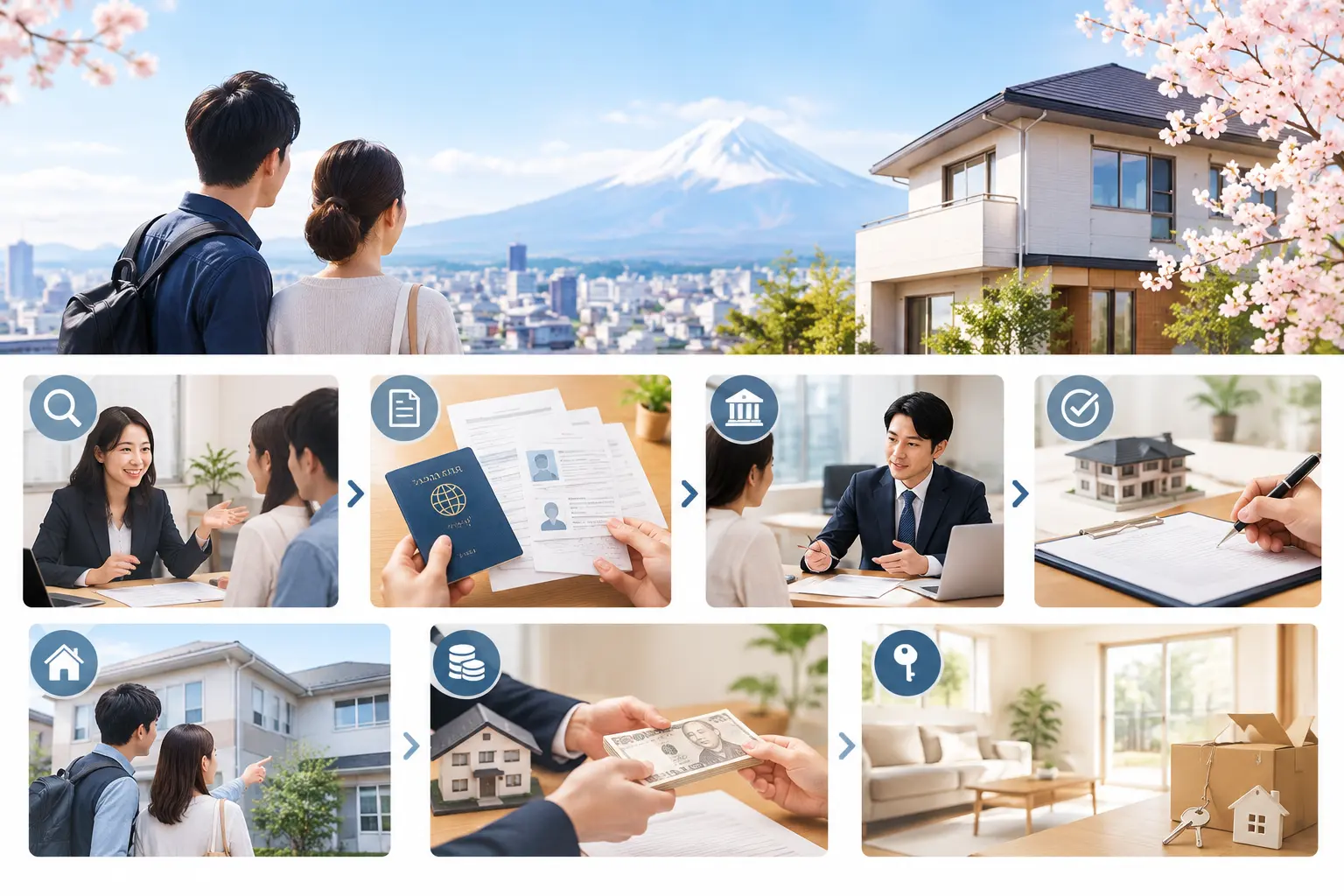
Step-by-Step Guide to Buying a House in Japan for Foreign Residents
Are you living and working in Japan, dreaming of owning your own home? The process of buying propert...
Cost of Buying a House in Japan: Besides rent, what other expenses do you need to prepare?
Buying a house in Japan, in addition to the rent, you need to prepare an additional 6-10% of the hou...
CONDO OR DETACHED HOUSE? A Detailed Comparison Before Buying Property in Japan
Which is right for you - a CONDO or a HOUSE? Compare management costs, appreciation potential, and p...