Giá Nhà Tokyo, Osaka, Nagoya, Fukuoka 2026: Còn Tăng Đến Bao Giờ?
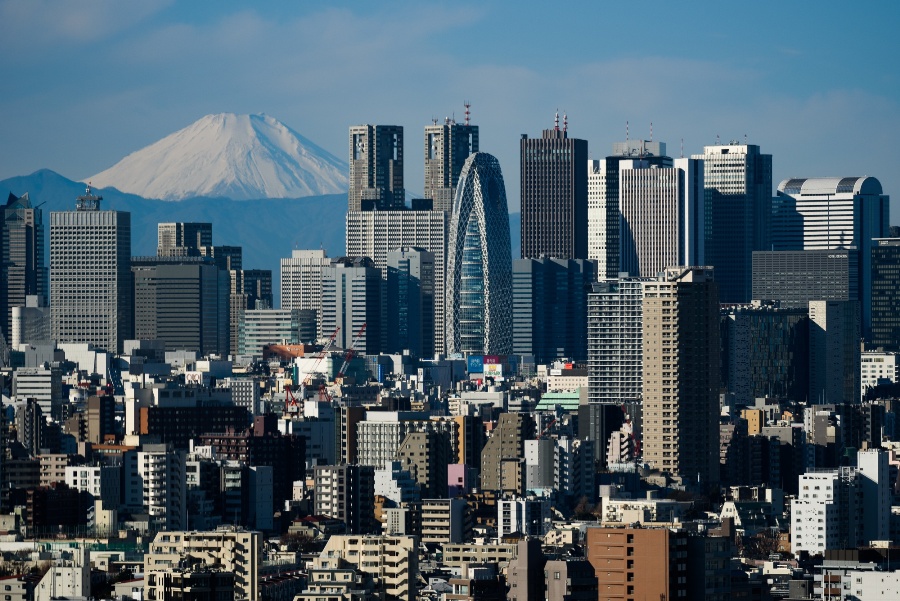
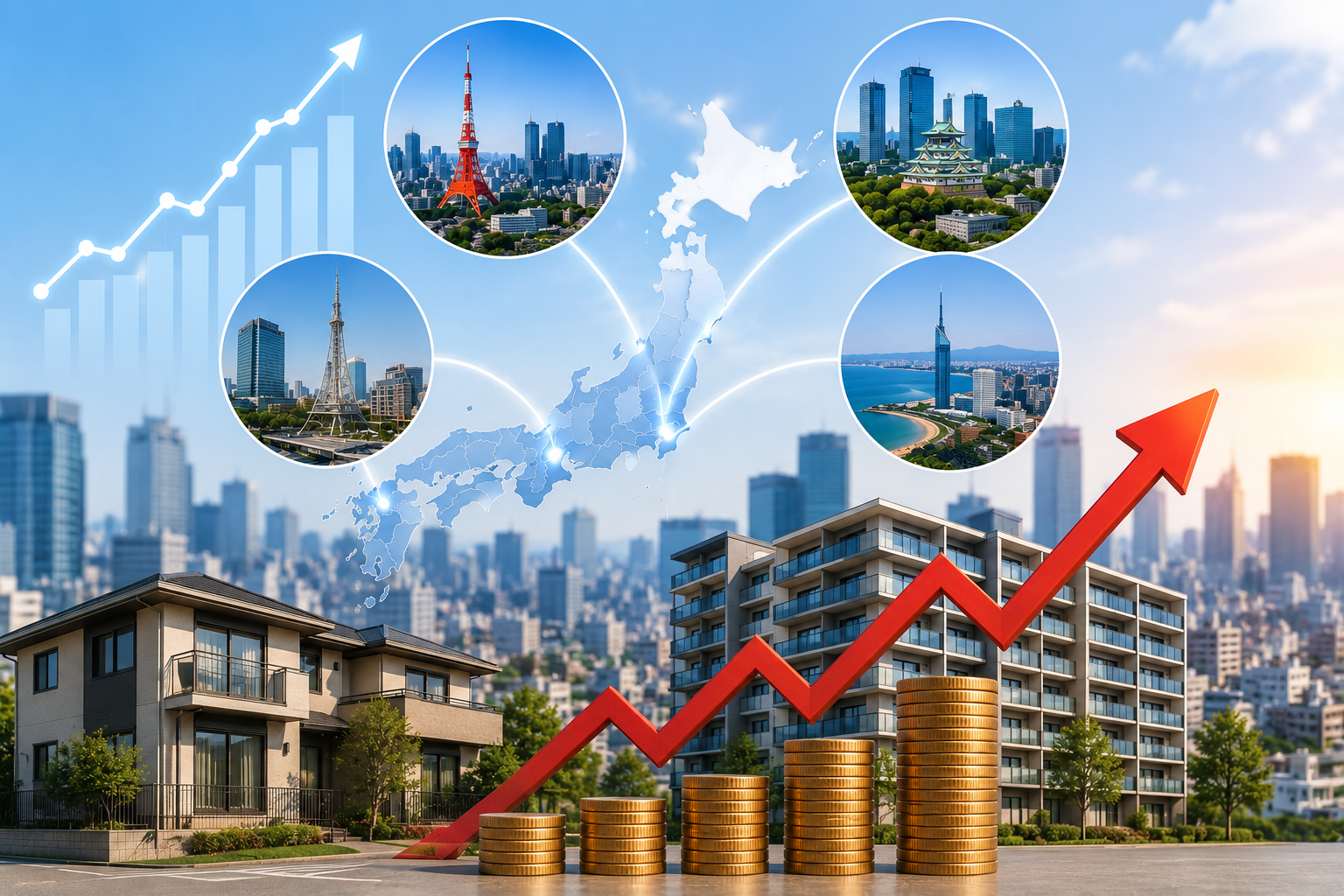
Cập Nhật Giá Nhà Tại Các Thành Phố Lớn Nhật Bản: Tokyo, Osaka, Nagoya, Fukuoka Còn Tăng Đến Bao Giờ?Thị trường bất động sản Nhật Bản đang trải qua giai đoạn tăng giá dài và mạnh chưa từng thấy trong nhiều năm liền. Theo công bố giá đất (公示地価) của Bộ Đất đai, Hạ tầng, Giao thông và Du lịch Nhật Bản (MLIT) ngày 1/1/2026, giá đất bình quân toàn quốc đã tăng năm thứ 5 liên tiếp, trong đó đất nhà ở tăng liên tục 12 năm.Trong bài viết này, ESTATE PLUS sẽ cùng bạn cập nhật bức tranh toàn cảnh giá nhà tại 4 thị trường lớn nhất cả nước: Tokyo (23 quận trung tâm), Osaka, Nagoya và Fukuoka - cùng những yếu tố đang định hình tiềm năng tăng giá trong thời gian tới.1. Tokyo 23 Quận: Giá Căn Hộ Mới Vượt Mốc 100 Triệu Yên, Nhưng Đà Tăng Đã Giảm Nhiệt?23 quận trung tâm Tokyo tiếp tục là thị trường nóng nhất Nhật Bản. Giá đất ở tại đây tăng bình quân +8,99% trong kỳ công bố đầu năm 2026, và đáng chú ý là không có quận nào giảm giá - toàn bộ 23 quận đều ghi nhận tăng trưởng dương.Về giá căn hộ chung cư, thị trường đã có một cột mốc đáng nhớ: giá bán bình quân căn hộ mới tại 23 quận đã vượt 100 triệu yên và duy trì trên ngưỡng này liên tục từ tháng 5/2024. Căn hộ cũ (chung cư đã qua sử dụng) cũng tăng tốc theo, từ mức 50 triệu yên cuối năm 2024 lên gần 80 triệu yên vào tháng 11/2025.Tuy nhiên, dữ liệu quý I/2026 cho thấy tín hiệu hạ nhiệt: tốc độ tăng giá căn hộ cũ tại 23 quận đã chững lại so với các quý trước, nhường vị trí dẫn đầu về tốc độ tăng cho thị trường Osaka. Dù vậy, tính theo biên độ tăng giá tích lũy kể từ thời điểm mở bán, căn hộ tại 23 quận vẫn ghi nhận mức tăng bình quân lên tới +117,7% so với giá gốc lúc chào bán mới - mức cao nhất trong các đô thị lớn.Nguyên nhân chính tại Tokyo• Nguồn cung căn hộ mới sụt giảm khiến thị trường khan hàng, trong khi nhu cầu thực vẫn lớn nhờ nhóm khách hàng có thể mua nhà dưới 100 triệu yên.• Tâm lý e ngại nhà cũ cũng giảm rõ rệt: theo khảo sát của Hiệp hội Môi giới Bất động sản Toàn quốc, hơn 54% người được hỏi không còn ngần ngại với nhà đã qua sử dụng nếu tình trạng còn tốt.2. Osaka: Tốc Độ Tăng Giá Vượt Cả Tokyo Trong Quý Đầu Năm 2026Nếu Tokyo là thị trường có mức tăng tích lũy cao nhất, thì Osaka mới là nơi có tốc độ tăng giá nhanh nhất trong quý I/2026, vượt qua chính Tokyo 23 quận.Những điểm đáng chú ý tại Osaka• Giá căn hộ cũ toàn tỉnh Osaka đã tăng 66,3% so với 9 năm trước (tính đến tháng 1/2026), với đơn giá bình quân đạt khoảng 520.000 yên/m².• Quận Kita-ku (北区) dẫn đầu mức tăng trong 9 năm qua với +132,4% - một con số áp sát tốc độ tăng của quận Minato (港区), khu vực đắt giá nhất Tokyo.• Quận Chuo-ku (中央区), bao gồm các khu Namba, Shinsaibashi, Honmachi, xếp thứ 2 với mức tăng +90,9%.• Nhóm "6 quận trung tâm" (Kita, Chuo, Tennoji, Nishi, Fukushima, Naniwa) có đơn giá cao hơn rõ rệt so với mặt bằng chung và ít có nguy cơ giảm giá nhờ lợi thế giao thông và các dự án tái phát triển đô thị.So với Tokyo, quy mô dân số và kinh tế của Osaka không lớn bằng, nhưng tốc độ tăng giá đang bám sát, phản ánh dòng vốn đầu tư đang dịch chuyển sang tìm kiếm tỷ suất sinh lời tốt hơn ở các đô thị lớn thứ hai.3. Nagoya: Tăng Trưởng Ổn Định Nhưng Đã Có Dấu Hiệu ChữngVùng đô thị Nagoya (名古屋圏) là một trong ba vùng đô thị lớn của Nhật Bản (cùng Tokyo và Osaka), và tiếp tục ghi nhận giá đất tăng năm thứ 5 liên tiếp. Tuy nhiên, báo cáo công bố giá đất 2026 của Bộ Đất đai ghi nhận đà tăng tại vùng này đã có dấu hiệu chững lại so với hai vùng đô thị còn lại.Tại tỉnh Aichi, quận có giá đất cao nhất là Nakamura-ku (中村区) của Nagoya, với mức tăng +4,70% so với năm trước.Về giá căn hộ, thị trường Nagoya cho thấy sự ổn định hơn là bùng nổ: giá căn hộ cũ trung bình (diện tích 70m²) đã tăng từ khoảng 20,59 triệu yên (2016) lên 29,07 triệu yên (2025), tương đương mức tăng trung bình khoảng 5%/năm trong 10 năm, với năm 2022 ghi nhận mức tăng mạnh nhất (gần 2 triệu yên chỉ trong một năm).So với Tokyo và Osaka, Nagoya là thị trường có biên độ tăng giá thấp hơn nhưng cũng ổn định và ít rủi ro điều chỉnh đột ngột hơn - phù hợp với nhà đầu tư ưu tiên sự an toàn.4. Fukuoka: Thị Trường Tăng Giá Nhờ Dân Số, Không Phải Đầu CơFukuoka là câu chuyện khác biệt so với 3 đô thị còn lại: động lực tăng giá đến chủ yếu từ sự tăng trưởng dân số, chứ không phải dòng vốn đầu cơ.Số liệu nổi bật tại Fukuoka• Giá đất ở toàn tỉnh Fukuoka tăng bình quân +3,7% trong công bố quý I/2026, đánh dấu năm thứ 12 liên tiếp tăng giá. Toàn bộ top 10 địa điểm có tốc độ tăng giá đất ở cao nhất cả nước đều nằm trong thành phố Fukuoka.• Điểm tăng mạnh nhất là khu Ohori 1-chome, quận Chuo-ku, với mức tăng +13,7%, đồng thời cũng là nơi có giá đất ở cao nhất thành phố.• Giá căn hộ cũ phân khúc 1~10 năm tuổi, gần ga, đã tăng từ khoảng 39,26 triệu yên (2021) lên 50,58 triệu yên (2024).Theo một số báo cáo thị trường đầu năm 2026, tốc độ tăng giá căn hộ cũ tại Fukuoka ở một số phân khúc thậm chí vượt cả Tokyo 23 quận - điều đáng chú ý trong bối cảnh lãi suất vay mua nhà đang tăng dần theo chính sách bình thường hóa tiền tệ của Ngân hàng Trung ương Nhật Bản (BOJ).Vì sao Fukuoka "miễn nhiễm" với lãi suất tăng?Ba yếu tố chính được nhắc đến nhiều nhất:• Fukuoka là thành phố chỉ định có tốc độ tăng dân số cao nhất Nhật Bản, trong khi nguồn cung căn hộ - đặc biệt tại các vị trí thuận tiện - không theo kịp nhu cầu.• Các dự án tái phát triển quy mô lớn như "Tenjin Big Bang" và "Hakata Connected" đang nâng cấp toàn diện hạ tầng và bộ mặt đô thị khu trung tâm.• Phân khúc căn hộ cao cấp bùng nổ, với sự xuất hiện ngày càng nhiều của các dự án "Oku-mansion" (giá trên 100 triệu yên), kéo mặt bằng giá chung đi lên.5. So Sánh Nhanh 4 Thị Trường6. Nhận Định ChungNhìn tổng thể, thị trường bất động sản nhà ở tại 4 đô thị lớn của Nhật Bản vẫn đang trong xu hướng tăng giá, nhưng câu chuyện ở mỗi nơi một khác:• Tokyo vẫn là thị trường có giá trị tuyệt đối cao nhất và thanh khoản tốt nhất, nhưng tốc độ tăng đã không còn nóng như giai đoạn 2023-2025.• Osaka đang nổi lên là điểm đến hấp dẫn cho dòng vốn tìm kiếm tốc độ tăng giá cao hơn Tokyo với mức đầu tư ban đầu thấp hơn.• Nagoya phù hợp với chiến lược đầu tư thận trọng, ưu tiên ổn định hơn lợi nhuận đột biến.• Fukuoka là thị trường có nền tảng tăng giá vững chắc nhất xét về mặt tăng dân số, ít phụ thuộc vào yếu tố đầu cơ ngắn hạn.Trong bối cảnh BOJ tiếp tục xu hướng tăng lãi suất, biến số cần theo dõi sát trong thời gian tới là khả năng hấp thụ của thị trường khi chi phí vay vốn tăng dần - đặc biệt tại Tokyo, nơi giá nhà đã ở mức cao kỷ lục.Kết Luận: Hiểu Đúng Xu Hướng Để Đầu Tư Đúng Thời ĐiểmMỗi thị trường - Tokyo, Osaka, Nagoya, Fukuoka - đang vận hành theo những động lực tăng giá khác nhau, từ khan hiếm nguồn cung, dòng vốn dịch chuyển, đến tăng trưởng dân số thực. Việc hiểu rõ động lực phía sau mỗi con số tăng giá sẽ giúp bạn đánh giá đúng tiềm năng và rủi ro trước khi đưa ra quyết định đầu tư hoặc mua nhà để ở.👉 Nếu bạn đang quan tâm đến cơ hội đầu tư hoặc mua nhà tại một trong 4 thị trường trên, hãy liên hệ với ESTATE PLUS để được đội ngũ tư vấn cập nhật dữ liệu mới nhất và phân tích phù hợp với mục tiêu tài chính của bạn.Bài viết tổng hợp từ các nguồn: Bộ Đất đai, Hạ tầng, Giao thông và Du lịch Nhật Bản (MLIT), Viện nghiên cứu Haseko (長谷工総合研究所), công ty Mercury (マーキュリー), Mansion Navi (マンションナビ), báo Nikkei và các báo cáo thị trường bất động sản khu vực. Số liệu cập nhật đến tháng 4/2026. Giá cả thị trường có thể biến động; vui lòng tham khảo thêm các nguồn chính thức trước khi ra quyết định đầu tư.